

By Alan Harvey, University of Western Australia
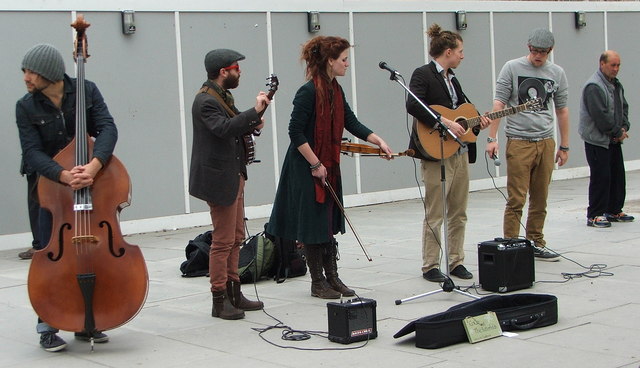
All human cultures and social groups that we know of respond to music and dance. The type of music may vary but the underlying, fundamental principles of making music are the same.
Our recognition of, and emotional responses to, pleasant and unpleasant music seems to be universal, expressed even in very young infants and seemingly independent of our cultural upbringing.
So what exactly is music for? Why is it a universal that can profoundly affect people, why is it such an essential part of our lives?
Music is a form of communication which is different from language. In humans, music stimulates emotions and elicits autonomic and physiological responses. It entrains neural activity and is inextricably linked to movement and dance.
Music facilitates interactions within groups and can create common arousal states. It helps to provide cohesion and organisation to our social architecture.
Throughout recorded history, leaders – whether of nations, political parties or religious denominations – have understood the power of music to influence populations.
In recent times, researchers have shown that music structures time and provides mnemonic frameworks that aid learning and memory, help organise knowledge. Many of us can remember the lyrics of songs for example, but may not remember much, if any prose.
Attaching words to music somehow makes the words easier to memorise. Yet despite all of this, the impact of music remains mysterious: it does not seem to do anything, it does not transmit data and information in the same way as language/speech.
For many, the evolution of language in Homo sapiens is a unique event that is linked to the evolution of the cognitively modern mind. What then is the relationship between music and language, and to what extent are they dependent or independent of each other?
Our brains are known to be wired to process both forms of communication, but from an evolutionary point of view did music come before language, or vice versa, or was there a common precursor that somehow separated into two systems when Homo sapiens evolved, with both types of communication retained?
Was music an important element that contributed to the early well-being of our species? What, if any, advantages did music give to Homo sapiens from an evolutionary perspective as our founders migrated out of east Africa to colonise the planet?
Why does music continue to exist alongside language and remain important to all human cultures, thousands of generations after the founders of our species evolved?
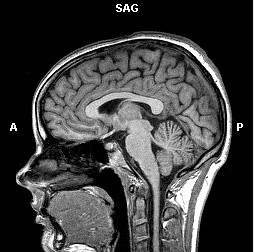
Modern neuroscience research, especially using new imaging techniques such as positron emission tomography (PET) and functional Magnetic Resonance Imaging (fMRI) confirms that the processing of music has a consistent structural foundation in the human brain.
It has been known for some time that, in right-handed individuals, language is mostly processed in the left cerebral hemisphere while many aspects of music involve right hemisphere activity.
But new imaging data have revealed even more complex circuitries involved in music and language processing. Numerous regions of the brain are integrated into networks that subserve music or language processing and analysis, but the neuroimaging data also show that separation of these processing streams is by no means complete.
For example, there is overlap in brain areas that process the emotional (prosodic) aspects of music and speech, and studies have shown that musical training results in a shift towards processing in the left cerebral hemisphere.
As research continues, more is learned about how music-related circuits differ from, or overlap with, other pathways involved in cognitive and emotional processing. For example, brain areas associated with positive responses to music overlap with networks associated with reward behaviours, subjective experiences and acts of social cooperation.
In close association with the evolution of the modern mind, I believe music was of critical importance to our early ancestors; increased fitness and reproductive advantage of a group is gained not only by an individual’s success but also if cooperative behaviours benefit other members of the group, and importantly for our ancestors these benefits extended to others who were not necessarily genetically related.
For most people, music therapy remains a branch of “alternative” medicine, something outside the mainstream. But recent research suggests that it is time that this attitude was changed.
For example, training in music has measurable effects on brain plasticity and can influence learning ability during development. Music also seems to have mnemonic powers, activating circuits in the brain that are linked to aspects of memory processing.
There are also structural changes in developing brains associated with early musical training, and exposure to music seems to have beneficial effects on children suffering from developmental disorders such as autism and Williams syndrome.
In adults, many studies have shown that music used with physical therapy improves motor control and coordination, with benefits for rehabilitation after injury or in degenerative conditions such as Parkinson’s disease.
Music therapy may also improve memory recall and social awareness in Alzheimer’s patients and recent studies on stroke patients have shown that controlled exposure to music improves cognitive function, increases motivation and awareness, and enhances positive mood states.
Taken together, the evidence suggests that music remains just as essential to Homo sapiens now as it was 70,000-80,000 years ago. It continues to be important for development of our children, for our health and for our overall sense of mental well-being.
Above all, music is perhaps the primary medium which enables individual members of the species Homo sapiens to forget their mortal vulnerability and come together as a collective group to share and enjoy common physiological and emotional experiences.


 |
| Christine Westerback/Creative Commons |
Our recognition of, and emotional responses to, pleasant and unpleasant music seems to be universal, expressed even in very young infants and seemingly independent of our cultural upbringing.
So what exactly is music for? Why is it a universal that can profoundly affect people, why is it such an essential part of our lives?
Music is a form of communication which is different from language. In humans, music stimulates emotions and elicits autonomic and physiological responses. It entrains neural activity and is inextricably linked to movement and dance.
Music facilitates interactions within groups and can create common arousal states. It helps to provide cohesion and organisation to our social architecture.
Throughout recorded history, leaders – whether of nations, political parties or religious denominations – have understood the power of music to influence populations.
In recent times, researchers have shown that music structures time and provides mnemonic frameworks that aid learning and memory, help organise knowledge. Many of us can remember the lyrics of songs for example, but may not remember much, if any prose.
Attaching words to music somehow makes the words easier to memorise. Yet despite all of this, the impact of music remains mysterious: it does not seem to do anything, it does not transmit data and information in the same way as language/speech.
For many, the evolution of language in Homo sapiens is a unique event that is linked to the evolution of the cognitively modern mind. What then is the relationship between music and language, and to what extent are they dependent or independent of each other?
 |
| Human Brain [MRI Scan] taod/Creative Commons |
Was music an important element that contributed to the early well-being of our species? What, if any, advantages did music give to Homo sapiens from an evolutionary perspective as our founders migrated out of east Africa to colonise the planet?
Why does music continue to exist alongside language and remain important to all human cultures, thousands of generations after the founders of our species evolved?
Modern neuroscience research, especially using new imaging techniques such as positron emission tomography (PET) and functional Magnetic Resonance Imaging (fMRI) confirms that the processing of music has a consistent structural foundation in the human brain.
It has been known for some time that, in right-handed individuals, language is mostly processed in the left cerebral hemisphere while many aspects of music involve right hemisphere activity.
But new imaging data have revealed even more complex circuitries involved in music and language processing. Numerous regions of the brain are integrated into networks that subserve music or language processing and analysis, but the neuroimaging data also show that separation of these processing streams is by no means complete.
For example, there is overlap in brain areas that process the emotional (prosodic) aspects of music and speech, and studies have shown that musical training results in a shift towards processing in the left cerebral hemisphere.
As research continues, more is learned about how music-related circuits differ from, or overlap with, other pathways involved in cognitive and emotional processing. For example, brain areas associated with positive responses to music overlap with networks associated with reward behaviours, subjective experiences and acts of social cooperation.
In close association with the evolution of the modern mind, I believe music was of critical importance to our early ancestors; increased fitness and reproductive advantage of a group is gained not only by an individual’s success but also if cooperative behaviours benefit other members of the group, and importantly for our ancestors these benefits extended to others who were not necessarily genetically related.
For most people, music therapy remains a branch of “alternative” medicine, something outside the mainstream. But recent research suggests that it is time that this attitude was changed.
For example, training in music has measurable effects on brain plasticity and can influence learning ability during development. Music also seems to have mnemonic powers, activating circuits in the brain that are linked to aspects of memory processing.
There are also structural changes in developing brains associated with early musical training, and exposure to music seems to have beneficial effects on children suffering from developmental disorders such as autism and Williams syndrome.
In adults, many studies have shown that music used with physical therapy improves motor control and coordination, with benefits for rehabilitation after injury or in degenerative conditions such as Parkinson’s disease.
Music therapy may also improve memory recall and social awareness in Alzheimer’s patients and recent studies on stroke patients have shown that controlled exposure to music improves cognitive function, increases motivation and awareness, and enhances positive mood states.
Taken together, the evidence suggests that music remains just as essential to Homo sapiens now as it was 70,000-80,000 years ago. It continues to be important for development of our children, for our health and for our overall sense of mental well-being.
Above all, music is perhaps the primary medium which enables individual members of the species Homo sapiens to forget their mortal vulnerability and come together as a collective group to share and enjoy common physiological and emotional experiences.
About the Author
Alan Harvey was educated at the University of Cambridge and Australian National University. He is currently Professor and Deputy Head of the School of Anatomy and Human Biology. He has the long-term ambition of bringing his neuroscience and musical interests together, intending to write a book about the role of music in human evolution and modern-day society.
Alan Harvey receives funding from the NHMRC, ARC and WA Neurotrauma Research Program.

This article was originally published at The Conversation.
Read the original article.


